What if the peace they promise you from forgiveness is a lie?
We are often told to forgive people who hurt us, and they normally say it’s for our own peace.
I understand the peace that can or might come from forgiving someone who hurt us, but that peace isn’t guaranteed.
Also, while you might get some peace from letting go of the grudge, the other person enjoys the benefit of being forgiven. And they can go on to hurt others, or even you, again because they believe you’d forgive them.
Or, because of the forgiveness, they still have access to you, which makes you vulnerable to getting hurt again.
So, in this post, we’ll discuss why it is not mandatory to forgive someone. We’ll also cover why it’s okay to set boundaries even after forgiving them. Or better still, why it’s okay to not give them the satisfaction that you have forgiven them.
Let’s get into it.
3 Reasons Why Forgiveness Isn’t Mandatory
At the end of the day, it is a personal choice to forgive someone for a trespass. But here’s why I believe it’s not mandatory to forgive:
1. It Makes It Difficult to Set Boundaries
When someone hurts you and they get the assurance that you’ve forgiven them, they believe that also means you can’t set boundaries. That’s because society has convinced us that after we’ve been forgiven, things should go back to the way they used to be.
Sometimes things can go back to the way they were before the hurt. And it takes time and effort on the perpetrator’s side to make sure they don’t hurt us again. But sometimes things can never be the same again. And it hurts. But sometimes that’s the way it is. And it’s okay.
So you can take your time to process how you feel and make your way to healing from the hurt and the loss of that relationship. But it’s all for your good. Don’t ever feel like you shouldn’t set boundaries after getting hurt deeply.
2. It Gives You Peace But Gives Them Access to You

Another reason they say to forgive is “for your own peace.”
I understand the peace that can come from losing the weight of the grudge we’re holding. But that peace is only short-lived if that person still has access to you.
Also, sometimes, we don’t have the courage to set boundaries because we’ve forgiven someone.
But you must learn that even after forgiveness, you must make it clear that they can’t access you.
And how that plays out will be different for everyone.
Some ways I’ve shown people they can’t have access to me anymore is by not replying to messages or by not being as friendly as before.
3. It Gives the Perpetrator a Jail-Free Card to Hurt You Again
So it’s all about setting boundaries. As I said earlier, if you don’t ser boundaries, the perpetrator can have access to you and hurt you again.
And because they know you’ll forgive them, it now becomes a cycle of hurt and forgiveness without consequences.
The worst part is, they will go about doing the same to others with the belief that they’ll be forgiven.
And it can get to the point where they begin to believe they’re entitled to forgiveness from everyone, no matter what they do.
Recommended posts
Read: The Psychology of Forgiveness: 7 Lessons on How to Finally Let Go and Forgive Someone
7 Ways to Deal with Someone Who Dislikes You (Why You Shouldn’t Care)
Why It’s Important to Let Them Sit in the Discomfort of Not Being Forgiven by You

So we’ve discussed why it’s not mandatory to forgive anyone. Now let’s talk about why it’s okay to let them sit in the discomfort of not being forgiven.
As much as we preach that forgiveness is for our own peace, it also gives the perpetrator peace knowing you have forgiven them.
But it’s okay to not grant them that opportunity at peace.
And this is because sometimes we have to sit with the reality of how we wronged someone.
And we don’t get to demand forgiveness so we can feel comfortable.
Sometimes, we need to live with the fact that that relationship has been tainted forever. We need to deal with the fact that we did something that can never be forgiven.
Or that we crossed a boundary and can’t control how the other person deals with it. And we need to live with whatever decision they make, whether it favors us or not.
It can be tough to deal with being cut off. But that’s the way life is.
In Conclusion
We’re not perfect.
Sometimes we’ll wrong our loved ones, ruin friendships, etc.
But moving forward, it’s important to learn from our and others’ mistakes and build good relationships and not cross boundaries.
And if we’re the ones that were hurt, it’s okay to set boundaries or cut off friendships.
It won’t be easy, but you’ll discover it’s for your own good in the long run.
Hope this helps.
Let me know in the comments how you’ve dealt with being hurt.
Did you forgive and give access, or strengthen your boundaries?
Share your experience in the comments. Let’s discuss.
Thanks for reading.
Recommended posts
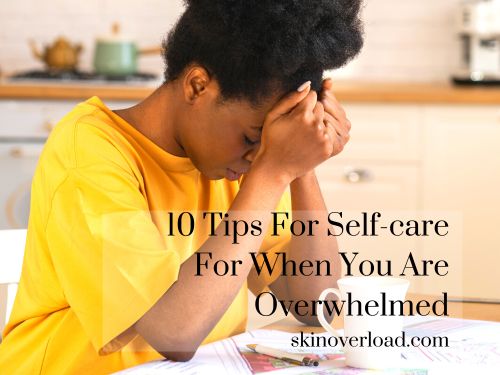
10 Tips For Self-care For When You Are Overwhelmed